
More than four decades of extension education
PTEE history
From the founding meeting in Amman in 1981 to e-learning and serving thousands of students across the Arab world and the diaspora.
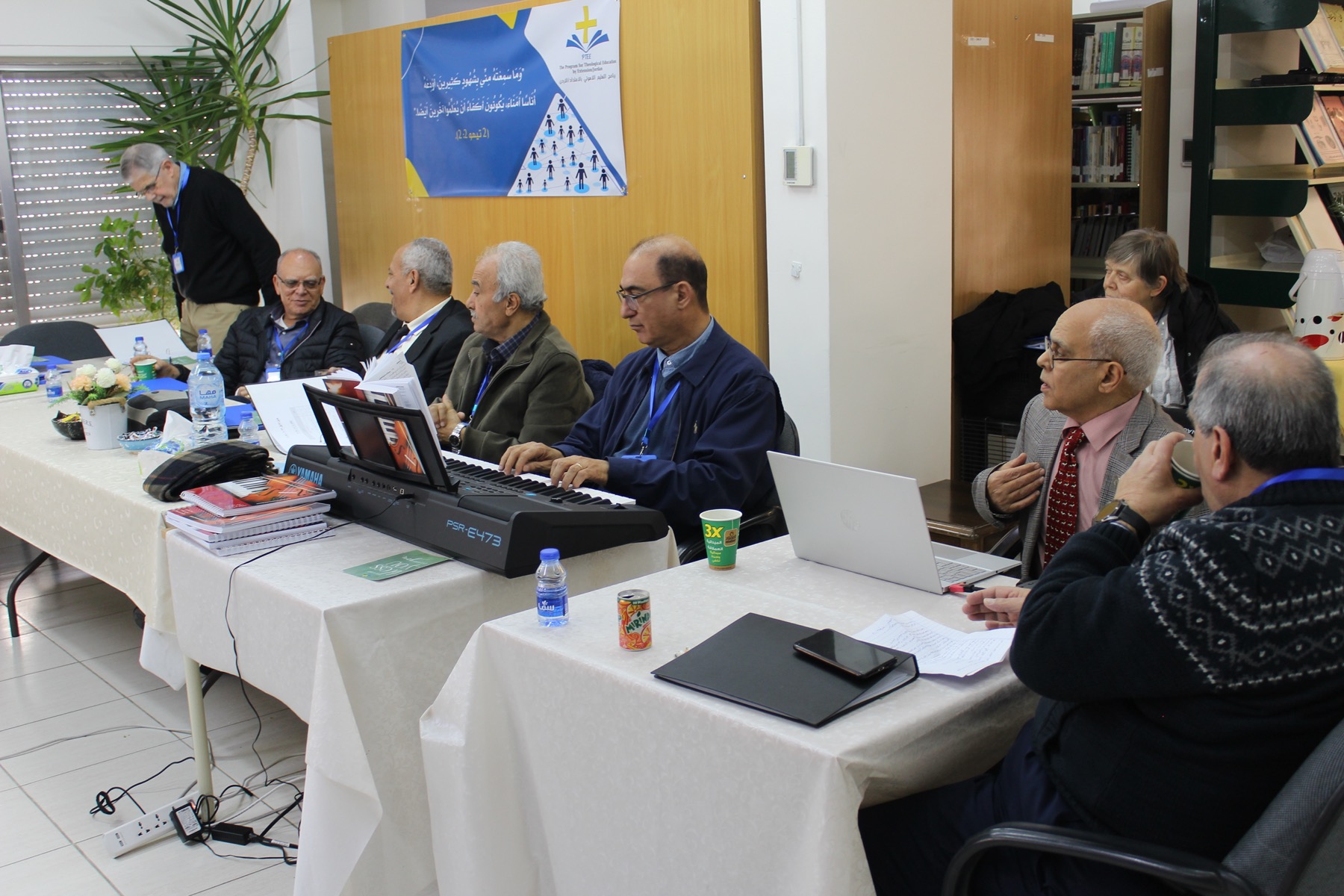
Learning and dialogue in community
1981 · Founding
PTEE was formally established in Amman on 31 May 1981 with representatives of denominations, institutions, organizations, and individuals from across the Arab world. The first classes began that same summer, and Amman became the administrative headquarters.
1983–1999 · Membership and expansion
1983: Associate member of the International Council for Evangelical Theological Education (ICETE)
1989: The program is established in Egypt
1990: Expansion to Syria
1994: Lebanon
1995: Sudan
1996: Iraq
1999: The Arabian Gulf
2002–2012 · Accreditation and headquarters
2002: The Certificate, Diploma, and Bachelor programs are accredited by the Asia Theological Association (ATA)
2005: Regional accreditation, and development of the Certificate of Ministry for students who did not complete secondary school
2012: Purchase of the permanent service centre building in Al-Rawabi, Amman
2017–2019 · E-learning
2017: Conversion of bachelor-level courses to a multimedia online format begins
Summer 2018: Accredited online courses begin
2019: Classes for Sudanese students relaunch in Uganda and Sudan after facilitator training and the formation of a national committee
Figures from the manual
About 5,000 students since the founding
1,406 classes
127 facilitator-training workshops
An average of 324 students and 104 classes per year between 2019 and 2024
45 bachelor-level courses and 22 Certificate of Ministry courses, according to the current list in the manual
Current leadership in the manual
The manual names Rev. Dr. Victor Sadek as Executive Director since December 2019, after more than 25 years of pastoral ministry. He holds a bachelor’s degree in biology and chemistry, and a master’s and doctorate in theology.
The information on this page is drawn from the attached Arabic academic manual. Confirm course schedules, fees, specializations, and any curriculum changes with the PTEE office when registering.